

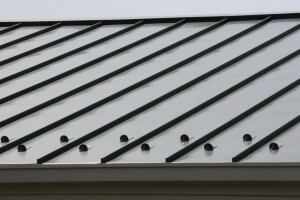
When choosing metal roofing materials for your home or commercial building, understanding the difference between galvanized and galvalume roof materials is critical to making an informed decision. Both materials offer excellent protection, but they have distinct characteristics that make them suitable for different applications and environments.
Understanding Your Galvalume Roof Material
Galvalume is a steel substrate coated with an aluminum-zinc alloy that provides superior corrosion resistance and longevity. The coating consists of approximately 55% aluminum, 43.4% zinc, and 1.6% silicon, creating a protective barrier that combines the best properties of both metals.
The aluminum component in galvalume provides excellent heat reflectivity and long-term weathering performance, while the zinc offers galvanic protection to cut edges and scratches. This unique combination makes galvalume an increasingly popular choice for both residential and commercial roofing projects.
What Makes Galvanized Metal Different?
Galvanized metal roofing uses a pure zinc coating applied to steel through a hot-dip process. This coating has been the industry standard for decades and provides reliable protection against rust and corrosion.
While galvanized roofing has proven its durability over time, the galvalume vs galvanized metal roof debate often centers on performance in specific environmental conditions. Galvanized metal excels in certain industrial and agricultural applications where its properties are well-suited to the environment.
Key Differences: Galvalume vs Galvanized Metal Roof Materials
Below are just a few of the key differences between galvalume vs galvanized metal roof materials.
Corrosion Resistance
The most significant difference between galvanized and galvalume lies in their corrosion resistance. Galvalume typically offers over double the protection against corrosion than galvanized steel in most atmospheric conditions. The aluminum in galvalume creates a tough oxide layer that protects the underlying steel, while also providing excellent resistance to saltwater environments.
Galvanized coatings provide reliable protection but may require more frequent maintenance in coastal areas or environments with high humidity. The pure zinc coating on galvanized metal can gradually erode through exposure to the elements.
Longevity and Lifespan
A properly installed American-made galvalume roof can last 50 years or more with minimal maintenance. The aluminum-zinc coating maintains its protective properties for decades, making it an excellent long-term investment. Studies have shown that galvalume retains its coating integrity significantly longer than galvanized steel in comparable conditions.
Galvanized roofing typically has a lifespan of 20-30 years, depending on the coating thickness and environmental factors. While this is still impressive, it’s shorter than what you can expect from galvalume.
Appearance and Aesthetics
When comparing galvalume vs galvanized metal roof options, appearance plays a role for many property owners. Galvalume has a distinctive matte gray finish with subtle spangling patterns that many find attractive. This finish weathers gracefully over time, developing a uniform patina.
Galvanized metal has a bright, shiny appearance when new, with more pronounced spangle patterns. Over time, it develops a duller gray appearance as the zinc coating oxidizes.
Cost Considerations
Understanding the difference between galvanized and galvalume includes evaluating the cost-benefit ratio. Galvalume typically costs 10-20% more than galvanized steel initially, but its extended lifespan and reduced maintenance requirements often result in lower total cost of ownership over the roof’s lifetime.
Galvanized metal offers a lower upfront cost, making it attractive for budget-conscious projects or applications where the extended lifespan of galvalume isn’t necessary.
Heat Reflectivity and Energy Efficiency
The aluminum content in a galvalume roof provides superior heat reflectivity compared to galvanized steel. This can translate to lower cooling costs in warm climates, as less heat is absorbed and transferred into the building below.
Galvanized roofing absorbs more heat due to its darker color once oxidized, potentially resulting in higher cooling costs in sunny environments.
Which Material is Right for Your Project: Galvanized vs Galvalume?
Choose a Galvalume Roof When:
- You’re in a coastal environment with salt air exposure
- Long-term durability is your primary concern
- You want to minimize maintenance requirements
- Energy efficiency is important
- You’re investing in a permanent structure
- Your budget allows for the slightly higher upfront cost
Choose Galvanized When:
- You need a more budget-friendly option
- The structure is temporary or has a shorter intended lifespan
- You’re in a dry, inland environment
- You prefer the bright metallic appearance
- You’re working on agricultural or industrial buildings
Environmental Performance
Both galvalume and galvanized roofing materials are recyclable and environmentally friendly options. However, galvalume’s longer lifespan means fewer replacements over time, potentially reducing the environmental impact of manufacturing and installation.
The difference between galvanized and galvalume extends to their environmental footprint. Galvalume’s superior durability means less material ends up in landfills, and its energy-efficient properties can reduce HVAC demands throughout its service life.
Installation Considerations
Both galvalume and galvanized materials can be installed using similar methods and fastening systems. However, proper installation is critical for either material to achieve its maximum lifespan. Working with experienced contractors who understand the specific requirements of each material ensures optimal performance.
When installing a galvalume roof, it’s important to avoid prolonged contact with treated lumber, copper, or other metals that can cause galvanic corrosion. Galvanized metal has similar concerns but may be slightly more forgiving in mixed-material applications.
Maintenance Requirements
One advantage of galvalume roofing is its minimal maintenance needs. The coating remains stable for decades, typically requiring only periodic cleaning to remove debris and maintain appearance. Inspections every few years can identify any potential issues before they become problems.
Galvanized roofs may require more frequent inspections and potential touch-ups, especially in harsh environments. The zinc coating can wear through in high-stress areas, requiring attention to prevent rust formation.
Industry Standards and Warranties
Most manufacturers offer longer warranties on galvalume products compared to galvanized options, reflecting the material’s superior durability. When evaluating the galvalume vs galvanized metal roof decision, warranty terms can provide valuable insight into expected performance. Standard industry testing ensures both materials meet quality benchmarks, but galvalume consistently demonstrates superior performance in accelerated weathering tests.
Frequently Asked Questions About Galvalume Roof Products
How long does galvalume last?
The question “how long does galvalume last” is a common one. Galvalume roofing typically lasts 50 years or more when properly installed and maintained. In ideal conditions with minimal exposure to corrosive elements, some galvalume roofs have exceeded 60 years of service life. The aluminum-zinc coating provides exceptional longevity, making it one of the longest-lasting metal roofing options available. Factors that influence lifespan include environmental conditions, installation quality, and regular maintenance.
What color is galvalume?
So, what color is galvalume when left unpainted? Galvalume has a natural matte gray finish with subtle metallic spangling patterns. The color is often described as a silvery-gray or pewter appearance. Many property owners choose to apply painted coatings over galvalume for aesthetic preferences, which provides additional protection and allows for a wide range of color options while retaining galvalume’s superior corrosion resistance underneath.
Can galvalume be painted?
Yes, galvalume can be painted, though it requires proper surface preparation. The material should be weathered for 6-12 months before painting to allow the aluminum-zinc coating to develop a stable oxide layer, or it can be chemically treated for immediate painting. Factory-applied paint systems designed specifically for galvalume provide the best adhesion and longevity. Many manufacturers offer pre-painted galvalume products with warranties covering both the substrate and the paint finish.
Galvalume vs painted metal roof: which is better?
The Galvalume vs painted metal roof debate depends on your priorities as a property owner. Bare galvalume offers excellent corrosion resistance and requires less maintenance, with a natural metallic appearance that weathers uniformly. Painted metal roofs (often painted galvalume) provide enhanced aesthetics with numerous color options, additional UV protection, and can improve energy efficiency with reflective coatings. However, painted finishes may require eventual repainting, while bare galvalume maintains its protective properties indefinitely. When considering galvalume vs painted metal roof materials, for maximum performance, many individuals end up opting for painted galvalume, which combines the substrate’s durability with the aesthetic and energy benefits of quality paint systems.
Does galvalume rust?
The question “does galvalume rust,” depends on a few factors; galvalume is highly resistant to rust but not completely immune. The aluminum-zinc coating protects the underlying steel through both barrier protection and sacrificial galvanic action. If the coating is cut, scratched, or worn through to the steel substrate, rust can develop at that location. However, the aluminum component in galvalume creates a stable oxide layer that slows corrosion significantly compared to bare steel or galvanized metal. Cut edges and fastener holes are the most vulnerable areas, which is why proper installation with appropriate fasteners and edge treatments is essential for preventing rust formation.
Is galvalume better than galvanized in coastal areas?
Yes, galvalume significantly outperforms galvanized steel in coastal environments. The aluminum content in galvalume provides superior resistance to salt air and moisture, which are the primary corrosion factors in coastal regions. Studies show galvalume can last 2-4 times longer than galvanized metal in marine environments. If you’re within 10 miles of saltwater, galvalume is the recommended choice for optimal performance and longevity.
Making Your Decision Between Galvalume vs Galvanized with ADCO Metals
Understanding the difference between galvanized and galvalume roof components will always empower you to make the right choice for your specific situation. While galvalume offers superior long-term performance and durability, galvanized steel remains a solid option for many applications, particularly when budget constraints are a primary concern.
At ADCO Metals, we’re committed to helping you choose the right roofing material for your needs. Our experienced team can assess your specific requirements, environmental factors, and budget to recommend the optimal solution. Whether you’re building a new structure or replacing an existing roof, we have the expertise and quality materials to ensure your project’s success.
We offer:
- Free estimates and consultations
- High-quality galvalume and galvanized materials
- Professional installation services
- Expert advice based on your specific location and needs
- Comprehensive warranties on all materials
Ready to discuss your metal roofing project? Contact us today at (985) 882-3222 or 1-888-858-3222. Let us help you make an informed decision about galvalume vs galvanized metal roofing that protects your investment for decades to come.
